◎
4. The Price Premium
第四節 價格溢價
In order to complete this interpretation, we must, first of all, consider the price premium. As the banks start to expand the circulation credit, the anticipated upward movement of prices results in the appearance of a positive price premium. Even if the banks do not lower the actual interest rate any more, the gap widens between the “money interest rate” and the “natural interest rate” which would prevail in the absence of their intervention. Since loan money is now cheaper to acquire than circumstances warrant, entrepreneurial ambitions expand.
為了完成這一解釋,我們首先必須考慮價格溢價。隨著銀行開始擴大循環信貸,預期的價格上行導致了正價格溢價的出現。即使銀行不再降低實際利率,“貨幣利率”和“自然利率”之間的差距也會擴大,在沒有銀行干預的情況下,這一差距將占主導地位。由於現在獲得貸款的成本比經濟現實所允許的要便宜,企業家創業的野心也會蠢蠢欲動。
New businesses are started in the expectation that the necessary capital can be secured by obtaining credit. To be sure, in the face of growing demand, the banks now raise the “money interest rate.” Still they do not discontinue granting further credit. They expand the supply of fiduciary media issued, with the result that the purchasing power of the monetary unit must decline still further. Certainly the actual “money interest rate” increases during the boom, but it continues to lag behind the rate which would conform to the market, i.e., the “natural interest rate” augmented by the positive price premium.
創業的願望是通過獲得信貸來獲得必要的資本。可以肯定的是,面對日益增長的需求,銀行現在提高了“貨幣利率”。儘管如此,它們並沒有停止發放更多信貸。他們擴大發行信用媒介的供應,結果是貨幣單位的購買力必然進一步下降。當然,實際的“貨幣利率”在繁榮時期會要求上升,但它繼續落後於符合市場的利率,即由正價格溢價增加的“自然利率”。
So long as this situation prevails, the upswing continues. Inventories of goods are readily sold. Prices and profits rise. Business enterprises are overwhelmed with orders because everyone anticipates further price increases and workers find employment at increasing wage rates. However, this situation cannot last forever!
只要這種情況普遍存在,上升趨勢就會繼續。存貨易於出售。價格和利潤上升。商貿企業被訂單淹沒,因為每個人都預計價格會進一步上漲,工人們會要求越來越高的工資率找工作。然而,這種情況不可能永遠持續下去!
第八節 經濟危機的宿命輪回
The crisis breaks out only when the banks alter their conduct to the extent that they discontinue issuing any more new fiduciary media and stop undercutting the “natural interest rate.” They may even take steps to restrict circulation credit. When they actually do this, and why, is still to be examined. First of all, however, we must ask ourselves whether it is possible for the banks to stay on the course upon which they have embarked, permitting new quantities of fiduciary media to flow into circulation continuously and proceeding always to make loans below the rate of interest which would prevail on the market in the absence of their interference with newly created fiduciary media.
只有當銀行改變行為,停止發放任何新的信用媒介,並停止降低“自然利率”時,危機才會爆發。他們甚至可能會採取措施限制循環信貸。他們什麼時候真正會這樣做,以及為什麼要這樣做,還有待研究。然而,首先,我們必須問問自己,銀行是否能夠堅持他們已經開始的道路,允許新增的信用媒介不斷流入流通環節,並始終以低於在沒有受到銀行干預信用媒介擴張的情況下的利率(自然利率 )進行放貸。
If the banks could proceed in this manner, with businesses improving continually, could they then provide for lasting good times? Would they then be able to make the boom eternal?
如果銀行能夠以這種方式持續進行,業務不斷改善,那麼他們是否就可以一勞永逸過上好日子,永恆的繁榮就天長地久了呢?
They cannot do this. The reason they cannot is that inflationism carried on ad infinitum is not a workable policy. If the issue of fiduciary media is expanded continuously, prices rise ever higher and at the same time the positive price premium also rises. (We shall disregard the fact that consideration for (1) the continually declining monetary reserves relative to fiduciary media and (2) the banks’ operating costs must sooner or later compel them to discontinue the further expansion of circulation credit.) It is precisely because, and only because, no end to the prolonged “flood” of expanding fiduciary media is foreseen that it leads to still sharper price increases and, finally, to a panic in which prices and the loan rate move erratically upward.
他們無法做到這一點。他們做不到的原因是無限地延續實施通貨膨脹政策不是一個可行的政策。如果信用媒介的發行規模不斷擴大,物價就會越來越高,同時正價格溢價也會上升。(我們將忽略以下事實:(1)貨幣儲備相對于信用媒介的持續下降;(2)銀行的運營成本遲早會迫使它們停止進一步擴大循環信貸。)正是因為,也僅僅因為,可預見信用媒介持續擴張放水的長期“洪流”不會結束,才會導致價格進一步急劇上漲,並最終引發物價和貸款利率不穩定攀升的恐慌。
Suppose the banks still did not want to give up the race? Suppose, in order to depress the loan rate, they wanted to satisfy the continuously expanding desire for credit by issuing still more circulation credit? Then they would only hasten the end, the collapse of the entire system of fiduciary media. The inflation can continue only so long as the conviction persists that it will one day cease. Once people are persuaded that the inflation will not stop, they turn from the use of this money. They flee then to “real values,” foreign money, the precious metals, and barter.
假設銀行仍然不願放棄這場競賽?假設他們為了壓低貸款利率,他們想通過發行更多的循環信貸來滿足不斷擴大的信貸需求?然後他們只會加速終結,即整個信用媒介體系的崩潰。只有人們堅信通貨膨脹總有一天會停止,通貨膨脹措施才能持續下去。一旦人們認為通貨膨脹永不停止,他們就會放棄使用這種貨幣。然後他們會轉向 “真正保值”的外國貨幣、貴金屬或者以貨易貿。
Sooner or later, the crisis must inevitably break out as the result of a change in the conduct of the banks. The later the crack-up comes, the longer the period in which the calculation of the entrepreneurs is misguided by the issue of additional fiduciary media. The greater this additional quantity of fiduciary money, the more factors of production have been firmly committed in the form of investments which appeared profitable only because of the artificially reduced interest rate and which prove to be unprofitable now that the interest rate has again been raised. Great losses are sustained as a result of misdirected capital investments. Many new structures remain unfinished. Others, already completed, close down operations. Still others are carried on because, after writing off losses which represent a waste of capital, operation of the existing structure pays at least something.
這場危機遲早必將因為銀行行為的改變而不可避免地爆發。危機崩潰得越晚,企業家的經濟計算被超發的信用媒介問題所誤導的時間就越長。信貸規模額外擴張的數量越大,就有越多的生產要素以投資的形式堅定地投入,這些投資看起來顯得有利可圖,僅僅只是因為人為降低了利率,而現在利率再次提高,這些投資被證明是無利可圖的。由於資本投資方向錯誤,造成的巨大損失是持續的。遍地在建的項目爛尾崩盤。其他已經完工的項目(因無利可圖)則關門大吉。還有一些項目得以繼續運行,只是因為在沖銷了代表資本消耗的損失後,現有結構的運營至少能產生一些回報收益。
The crisis, with its unique characteristics, is followed by stagnation. The misguided enterprises and businesses of the boom period are already liquidated. Bankruptcy and adjustment have cleared up the situation. The banks have become cautious. They fight shy of expanding circulation credit. They are not inclined to give an ear to credit applications from schemers and promoters. Not only is the artificial stimulus to business, through the expansion of circulation credit, lacking, but even businesses which would be feasible, considering the capital goods available, are not attempted because the general feeling of discouragement makes every innovation appear doubtful. Prevailing “money interest rates” fall below the “natural interest rates.”
經濟危機,以其獨特的特徵,伴隨而來的是停滯。繁榮時期被誤導的企業和商業已經被清算。破產和重組已經使局勢好轉。銀行已變得謹慎。他們不願擴大循環信貸。他們不願意聽取策劃者和發起人的信貸申請。不僅缺乏信貸擴張對商業的人為刺激,而且即使考慮到現有的資本品,切實可行的創業也不敢嘗試,因為普遍的沮喪氣餒感使每一項創新都顯得可疑。普遍的“信貸利率”低於“自然利率”。
When the crisis breaks out, loan rates bound sharply upward because threatened enterprises offer extremely high interest rates for the funds to acquire the resources, with the help of which they hope to save themselves. Later, as the panic subsides, a situation develops, as a result of the restriction of circulation credit and attempts to dispose of large inventories, causing prices [and the “money interest rate”] to fall steadily and leading to the appearance of a negative price premium. This reduced rate of loan interest is adhered to for some time, even after the decline in prices comes to a standstill, when a negative price premium no longer corresponds to conditions. Thus, it comes about that the “money interest rate” is lower than the “natural rate.” Yet, because the unfortunate experiences of the recent crisis have made everyone uneasy, the incentive to business activity is not as strong as circumstances would otherwise warrant. Quite a time passes before capital funds, increased once again by savings accumulated in the meantime, exert sufficient pressure on the loan interest rate for an expansion of entrepreneurial activity to resume. With this development, the low point is passed and the new boom begins.
當危機爆發時,市場要求的貸款利率急劇上升,因為高風險企業為獲取資金資源而給出了極高的利率,他們希望借助這些資金來自救。後來,隨著恐慌的退去,出現這樣一種局面,由於循環信貸的限制以及試圖處置大量庫存,導致價格[和“信貸利率”]穩步下降,並導致出現負的價格溢價。這種降低的貸款利率仍然會持續一段時間,因此,“信貸利率”低於“自然利率”。即使在價格下跌停止後,當負的價格溢價不再符合實際情況也是如此。然而,由於最近危機的不幸經歷,使得每個人都感到焦慮不安,因此對商業活動的刺激並不像實際情況本應該如此那樣的強烈。經過相當長的一段時間後,資本資金在此期間進行積累的儲蓄再次增加,對貸款利率施加了足夠的壓力,以恢復創業活動的擴張。隨著這些發展,(經濟蕭條的)低谷已經翻篇,新的繁榮開始了。
| FindBook |
|
有 1 項符合
論貨幣與信貸的操控的圖書 |
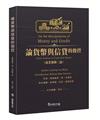 |
$ 256 ~ 259 | 論貨幣與信貸的操控
作者:筏行 出版社:香港超媒體出版 出版日期:2026-05-01 語言:繁體書  共 3 筆 → 查價格、看圖書介紹 共 3 筆 → 查價格、看圖書介紹
|
|
|
圖書介紹 - 資料來源:TAAZE 讀冊生活 評分:
圖書名稱:論貨幣與信貸的操控
◎代理經銷 白象文化
《論貨幣與信貸的操控》是米塞斯早年最具穿透力的經典著作之一。在這部作品中,通過三篇論文,他從個體行為出發,層層揭示貨幣、銀行與信貸制度在偏離自發秩序之後,如何引發不可避免的繁榮與蕭條之循環,並為後來整個奧地利學派的商業週期理論奠定基礎。
本書中文版由筏行翻譯,秉持徹底的主觀主義視角,融合其在佛學與奧地利學派經濟學中的洞見,重新梳理米塞斯的核心論證,使本書回到可被通俗理解、亦值得反覆深思的行為邏輯之中。透過一貫成體系的術語與底層結構重構,這部百年前的經典得以在當下重新發聲,直指現代金融世界的現實困局。
作者簡介:
◎筏行,原名黎海修,經濟學獨立作者。曾服役於軍隊,退役後長期在深圳市從事民眾陳情接待工作,致力於對民眾疑難訴求問題的觀察與思考,專著出版《傳統文化與人的行為》論述奧地利學派經濟學⸺交換學理論⸺的基本認識論與方法論,《問世間,錢為何物》即是該書方法論的應用與拓展之作。另著《百喻經新解》,翻譯出版米塞斯著作《論貨幣與信貸的操控》,目前專注於人力資源市場以及貨幣金融理論研究。
作者從小鍾愛傳統文化,尤其是對佛學的深入思考與體悟。長期接觸並深入體察社會基層的複雜現實,思考繁雜多樣的問題,對人的行為與經濟社會運作有著獨到的見解。他以中國傳統文化為根基,通過對現代主觀主義經濟學方法與理論的深刻解讀,構建出一套兼具理論深度與實踐意義的行為認知體系。他不僅是理論的探索者,更是現實問題的思考者,致力於為市場社會的治理與發展提供切實可行的參考。
章節試閱
◎
4. The Price Premium
第四節 價格溢價
In order to complete this interpretation, we must, first of all, consider the price premium. As the banks start to expand the circulation credit, the anticipated upward movement of prices results in the appearance of a positive price premium. Even if the banks do not lower the actual interest rate any more, the gap widens between the “money interest rate” and the “natural interest rate” which would prevail in the absence of their intervention. Since l...
4. The Price Premium
第四節 價格溢價
In order to complete this interpretation, we must, first of all, consider the price premium. As the banks start to expand the circulation credit, the anticipated upward movement of prices results in the appearance of a positive price premium. Even if the banks do not lower the actual interest rate any more, the gap widens between the “money interest rate” and the “natural interest rate” which would prevail in the absence of their intervention. Since l...
顯示全部內容
推薦序
◎
在貨幣与金融日益被操控,經濟社會亂象常常被錯誤歸因的時代,重讀秉持主觀主義的奧地利學派經濟學大師米塞斯的經典著作,尤顯迫切。本書所收錄的三篇經典論文,從個體行為與市場過程出發,層層揭示貨幣、銀行與信貸制度如何在偏離自發秩序之後,引發繁榮與蕭條交替的商業週期,並奠定了奧地利學派商業週期理論的核心基礎。
本中文版以清晰嚴謹的翻譯,重現原著的邏輯鋒芒,同時結合一貫的術語體系,使抽象理論更易理解而不失深度。對於希望穿透表象、把握貨幣金融本質與市場規律的讀者而言,這不僅是一部經典重現之作,更是一把通往當...
在貨幣与金融日益被操控,經濟社會亂象常常被錯誤歸因的時代,重讀秉持主觀主義的奧地利學派經濟學大師米塞斯的經典著作,尤顯迫切。本書所收錄的三篇經典論文,從個體行為與市場過程出發,層層揭示貨幣、銀行與信貸制度如何在偏離自發秩序之後,引發繁榮與蕭條交替的商業週期,並奠定了奧地利學派商業週期理論的核心基礎。
本中文版以清晰嚴謹的翻譯,重現原著的邏輯鋒芒,同時結合一貫的術語體系,使抽象理論更易理解而不失深度。對於希望穿透表象、把握貨幣金融本質與市場規律的讀者而言,這不僅是一部經典重現之作,更是一把通往當...
顯示全部內容
作者序
◎這本書是米塞斯在1920年代和1930年代撰寫的有關貨幣和繁榮/衰退商業週期的論文集,這個領域可能是米塞斯對經濟學的最大貢獻。本書中包含的論文最初由Free Market Books在1978年與其他材料一起以英文出版,後來由路德維希·馮·米塞斯研究所在2006年以《經濟危機的原因及大蕭條前後的其他論文》的標題再版。儘管米塞斯長期以來一直對貨幣理論的各個方面感興趣,但不同於他的其他一般作品,這些特定的論文更專注於他的貨幣危機理論。
在米塞斯從維也納大學獲得博士學位後不久,他決定寫一本關於貨幣的書。為了把工作做透,他覺得應該從直接...
在米塞斯從維也納大學獲得博士學位後不久,他決定寫一本關於貨幣的書。為了把工作做透,他覺得應該從直接...
顯示全部內容
|