| FindBook |
有 1 項符合
Portrait of a Jew的圖書 |
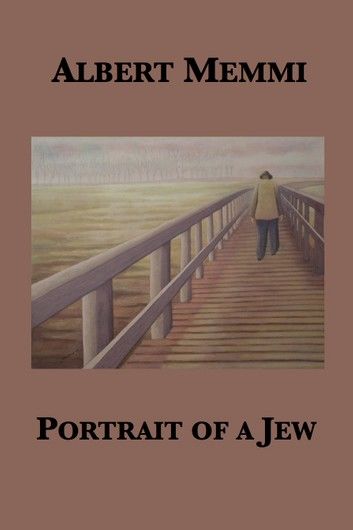 |
Portrait of a Jew 作者:Albert Memmi 出版社:Plunkett Lake Press 出版日期:2013-01-31 語言:英文 |
 樂天KOBO
| 圖書館借閱 |
| 國家圖書館 | 全國圖書書目資訊網 | 國立公共資訊圖書館 | 電子書服務平台 | MetaCat 跨館整合查詢 |
| 臺北市立圖書館 | 新北市立圖書館 | 基隆市公共圖書館 | 桃園市立圖書館 | 新竹縣公共圖書館 |
| 苗栗縣立圖書館 | 臺中市立圖書館 | 彰化縣公共圖書館 | 南投縣文化局 | 雲林縣公共圖書館 |
| 嘉義縣圖書館 | 臺南市立圖書館 | 高雄市立圖書館 | 屏東縣公共圖書館 | 宜蘭縣公共圖書館 |
| 花蓮縣文化局 | 臺東縣文化處 |
|
|
Portrait of a Jew by Albert Memmi (translated from the French by Elisabeth Abbott; 99,000 words)
In this memoir and extended meditation on Jewish identity and anti-Semitic stereotypes written in France in the early 1960s, Albert Memmi paints a portrait of himself as a secular Jew. The book has been compared to Rousseau’s Confessions because of its meticulous self-examination. Written only 15 years after the end of the Nazi occupation and just over a decade after the establishment of the State of Israel, Portrait of a Jew is a snapshot in time as well as a work of psychology and sociology. It both questions prevailing myths about the Jews of his time and describes the reality Memmi sees. Its sequel is The Liberation of the Jew.
Portrait of a Jew and The Liberation of the Jew “form a whole: the beginning and the outcome of a passionate quest. The first offers a diagnosis, the second a remedy. [...] Both are written with moving sincerity [...] As a personal document, Memmi’s introspective study is valuable. Thought-provoking and disturbing in the best sense of the word, it allows us to look into the tormented mind and soul of a distinguished Jewish writer who aspires to live honestly while belonging simultaneously to two worlds. His doubts and affirmations carry the weight of testimony.” — Elie Wiesel, The New York Times
“Portrait of a Jew and The Liberation of the Jew [are] filled with a Jewish existentialism marked by quest for identity and self-affirmation far more psychological and sociological than traditionally religious.” — Richard Locke, The New York Times
“A bitter, plangent autobiography written in dark colors and minor chords. It is purgative and painful reading, for it angers, outrages, and reduces the reader to lonely verbal combats. But when the din and dust has died away, the questions and statements are still there asserting themselves.” — Henrietta Buckmaster, The Christian Science Monitor
|