 樂天KOBO
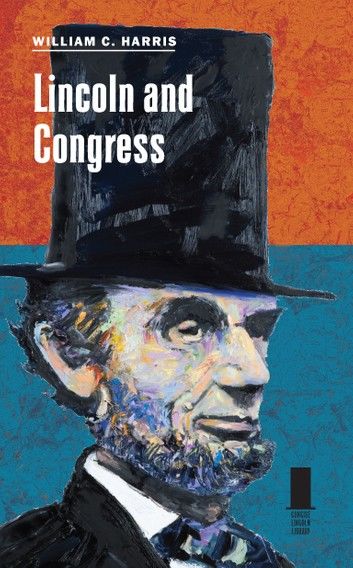
In Lincoln and Congress, William C. Harris reveals that the relationship between the president and Congress, though sometimes contentious, was cooperative rather than adversarial. During his time as president, Abraham Lincoln embodied his personal conviction that the nation’s executive should not interfere with the work of the legislature, and though often critical of him privately, in public congressional leaders compromised with and assisted the president to unite the North and avoid opposition to the war.
Lincoln and Congress sheds new light on the influence of members of Congress and their relationship with Lincoln on divisive issues such as military affairs, finance, slavery, constitutional rights, reconstruction, and Northern political developments. Enjoyable both for casual Civil War readers and professional historians, it provides an engaging narrative that helps readers redefine and understand the political partnership that helped the Union survive.
Lincoln and Congress sheds new light on the influence of members of Congress and their relationship with Lincoln on divisive issues such as military affairs, finance, slavery, constitutional rights, reconstruction, and Northern political developments. Enjoyable both for casual Civil War readers and professional historians, it provides an engaging narrative that helps readers redefine and understand the political partnership that helped the Union survive.