| FindBook |
有 1 項符合
I Cannot Forget的圖書 |
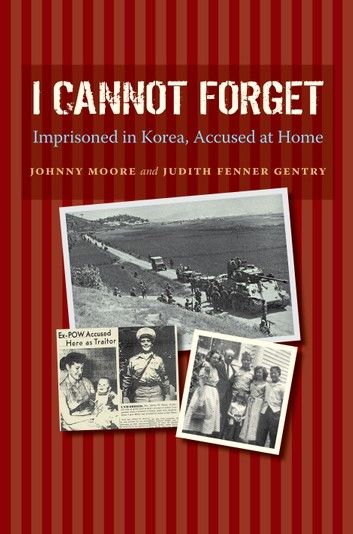 |
I Cannot Forget 作者:Judith Fenner Gentry,John Wilson Moore 出版社:Texas A&M University Press 出版日期:2013-09-01 語言:英文 |
 樂天KOBO
| 圖書館借閱 |
| 國家圖書館 | 全國圖書書目資訊網 | 國立公共資訊圖書館 | 電子書服務平台 | MetaCat 跨館整合查詢 |
| 臺北市立圖書館 | 新北市立圖書館 | 基隆市公共圖書館 | 桃園市立圖書館 | 新竹縣公共圖書館 |
| 苗栗縣立圖書館 | 臺中市立圖書館 | 彰化縣公共圖書館 | 南投縣文化局 | 雲林縣公共圖書館 |
| 嘉義縣圖書館 | 臺南市立圖書館 | 高雄市立圖書館 | 屏東縣公共圖書館 | 宜蘭縣公共圖書館 |
| 花蓮縣文化局 | 臺東縣文化處 |
|
|
Eighteen-year-old Johnny Moore was an energetic, self-confident private first class when he entered combat with a heavy-weapons platoon in Korea. Four and a half months later, after surviving heavy attacks on the Pusan Perimeter and in one of the forward units of the western column advancing on the Yalu River, he was captured by the Chinese infantry.
Moore and other American POWs suffered from starvation rations, bitter cold, and mental torment. Although the intense Chinese efforts to change the prisoners’ ideologies were largely unsuccessful, they were very effective in engendering distrust among the prisoners and abandonment of duty by the officers. Encouraged by an American sergeant, Moore worked with his captors to obtain better sanitation, a fairer distribution of food, and, on two occasions, medicine for the sick. Twice he tried to escape from imprisonment. Just four days after his twenty-first birthday, in 1953, the Chinese released him.
Moore cooperated fully with US military interrogators, giving as much information as he could on the prison camp and the methods his captors had used. But two years later, army officers arrested him at his home and charged him with treason. Although the charge was dropped and a Field Board of Inquiry returned him to regular duty, the army’s treatment of him left Moore further traumatized. He eventually went AWOL and turned to drinking, gambling, and other self-destructive behaviors.
Military historian Judith Fenner Gentry has worked with Moore’s memoirs of his experiences during and after the war to corroborate, clarify, elaborate, and situate his story within the larger events in Korea and in the Cold War. She has consulted records from courts-martial, newspaper interviews with returning POWs, and Freedom of Information Act documents on the Army Criminal Investigation Division and the Army Counter-Intelligence Corps.
|