| FindBook |
有 1 項符合
Thomas Jefferson: Diplomatic Correspondence, Paris, 1784-1789的圖書 |
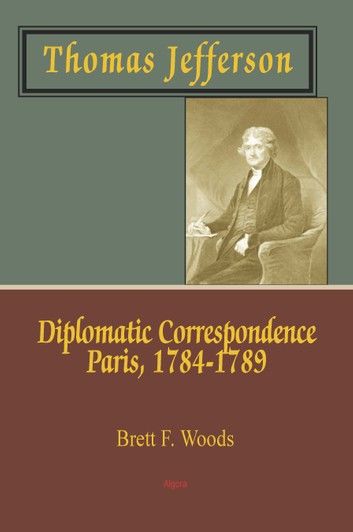 |
Thomas Jefferson: Diplomatic Correspondence, Paris, 1784-1789 作者:Brett F. Woods 出版社:Algora Publishing 出版日期:2016-10-05 語言:英文 |
 樂天KOBO
| 圖書館借閱 |
| 國家圖書館 | 全國圖書書目資訊網 | 國立公共資訊圖書館 | 電子書服務平台 | MetaCat 跨館整合查詢 |
| 臺北市立圖書館 | 新北市立圖書館 | 基隆市公共圖書館 | 桃園市立圖書館 | 新竹縣公共圖書館 |
| 苗栗縣立圖書館 | 臺中市立圖書館 | 彰化縣公共圖書館 | 南投縣文化局 | 雲林縣公共圖書館 |
| 嘉義縣圖書館 | 臺南市立圖書館 | 高雄市立圖書館 | 屏東縣公共圖書館 | 宜蘭縣公共圖書館 |
| 花蓮縣文化局 | 臺東縣文化處 |
|
|
The most comprehensive portrait of the American founding fathers can be seen in their personal letters and journal entries. Jefferson is certainly no exception, and those he wrote during his service as American minister to France - through many of the most critical episodes in both French and American history - are of singular importance. The format of the letters has been preserved whenever possible and, collectively, they provide a unique glimpse into the character and thought processes of Jefferson the diplomat.
While Thomas Jefferson is responsible for a voluminous body of literature, this is the first time an editor has focused principally on his correspondence while serving as minister to France. The format of the selected letters, as Jefferson wrote them, is preserved whenever possible, and they are presented for the interest of a general readership as well as for students of military, diplomatic, or political history.
The addressees are identified, particularly those who have been lost to history, and, where indicated, explanatory notes are provided to assist the reader in placing the correspondence in its particular historical, political, or conceptual context. Readers are encouraged to arrive at their own conclusions as to the intention of a specific piece of correspondence.
After serving as a member Virginia House of Burgesses, the Continental Congress, and as governor of Virginia, in 1784, Thomas Jefferson was again called into public service: to France, first as trade commissioner and then as Benjamin Franklin's successor as minister. To be sure, he emerged as an excellent ambassador, for he had the same capacity to combine symbolic and practical representation that made Franklin's stay in France such an important episode in Franco-American relations. In a court almost paralyzed by ceremony and bored with excesses in dress and ornamentation, Jefferson's republican asceticism, his directness and apparent candor, lent him a distinction and significance which no amount of modishness could have gained for him.
By design, Dr. Woods has elected to approach Jefferson's time in France from more of a documentary perspective, an interesting journey, to say the least. For whether he is writing to peers such as James Madison, Patrick Henry, and George Washington; to French associates such as the Marquis de Lafayette and Hector St. John de Crevecoeur; or even to his more social acquaintances such as Maria Cosway and Abigail Adams, Jefferson writes with, at times, surprising candor. And whether the subject might be an impassioned argument against Federalism, addressing the detail of international trade agreements, or even commenting on botany and agricultural issues, his words reflect remarkable clarity, insight, and eloquence.
As the text presents, in their entirety, the original written correspondence which succeeding generations of historians have repeatedly cited as the basis for their interpretation of events or conclusions of fact, Thomas Jefferson: Diplomatic Correspondence, Paris, 1784-1789 moves a step further, emerging as both a comprehensive reference resource and a unique supplement to the existing literature.
|