| FindBook |
有 1 項符合
The Idiot的圖書 |
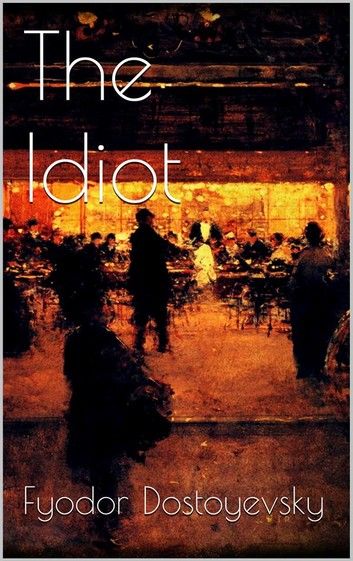 |
The Idiot 作者:Fyodor Dostoyevsky 出版社:PubMe 出版日期:2016-04-21 語言:英文 |
 樂天KOBO
| 圖書館借閱 |
| 國家圖書館 | 全國圖書書目資訊網 | 國立公共資訊圖書館 | 電子書服務平台 | MetaCat 跨館整合查詢 |
| 臺北市立圖書館 | 新北市立圖書館 | 基隆市公共圖書館 | 桃園市立圖書館 | 新竹縣公共圖書館 |
| 苗栗縣立圖書館 | 臺中市立圖書館 | 彰化縣公共圖書館 | 南投縣文化局 | 雲林縣公共圖書館 |
| 嘉義縣圖書館 | 臺南市立圖書館 | 高雄市立圖書館 | 屏東縣公共圖書館 | 宜蘭縣公共圖書館 |
| 花蓮縣文化局 | 臺東縣文化處 |
|
|
The characters in this novel, though usually explained as symbolic of the ideas they represent, are yet the most vividly realized characters you will ever read. The real-time manner in which they are drawn and followed is as if the author simply recorded their actions and conversations as and where they happened. We get to know who these people are, not through narrative description, but, as if by candid camera, observing what they say, withhold, do, and fail to do. What emerges are fascinating, at times frightening and at times affectionate portraits of real and troubled humans: Lizaveta, the flighty, but loving society mother; General Epanchin, the successful but utterly conventional man of the house; Aglaya, the childish but delightful beauty who resents her sisters and parents expectation for her; Ganya, who wants money and love, but plays the wounded martyr while more obviously blaming his father for his failures at both; Ivolgin, the pathetic figure of an aging man who aches for dignity and respect but whos former glory is long gone and mostly imagined; and Lebedev, the likeable sycophant and name-dropper.
The more central characters to the events, the murderously passionate Rogozhin, and the self-scorning beauty Nastasya, are more starkly drawn. But even those portraits are created not through direct thought narration or narrative description, but by the authors leading us to read between and behind the lines of their words, conversations with others, and public displays.
One comes away with the strong impression (reinforced by the portrait of Aloysha, hero of Brothers Karamazov) that Dostoevsky saw children as embodying the ideal of spirit that we strive to maintain or regain as adults. The princes obvious affection for the loyal young boy Kolya and the compassionate young girl Vera, in this book, and similar bonds between his hero Aloysha and the children in Karamozov Brothers, show Dostoevskys admiration for the child in man.
The Idiot shows what happens when a simple, trusting and exceptionally compassionate child-man enters the more corrupt world of human adulthood without the experience to navigate, or even to perceive, the traps and snares laid by more worldly humans whose innocence has been chipped or stripped bare by ambition, envy, greed, despair or old age.
On another level, The Idiot is an allegory for the Christ story itself- with Prince Myshkin coming from the Swiss sanatorium into the the world of Petersburg with a mission to live among, love and save its people. The complications of heart and mind when his human emotions unexpectedly collide with the more selfish and less willing of those around him are at the center of this story of a second coming re-imagined.
Crime and Punishment, a psychological crime story, showed Dostoevskys incredible genius for writing the inside of the human mind. Brothers Karamozov was a morality tale that laid out, on a grand scale, yet in great detail, the most essential questions of good and evil, id and ego, life and after-life. The Idiot does what both of these other great novels did, but was the most captivating of the three, because it is so human, intimate and real in its characters discourse, actions and exposition. It is much less overt than the Brothers Karamazov, and less psychologically analytical than Crime and Punishment. But of the three, the timeless characters of The Idiot last most indelibly in the mind.
|