Preface ....................................................................................................................... ii
Acknowledgements ....................................................................................................iii
Common Behavioral and Psychological Symptoms of Dementia (BPSD) Cases and Potential Coping Strategies .................................................................................1
Illustration Descriptions ..............................................................................................2
Case 1: Resistance to Brushing Teeth .......................................................................3
Case 2: Refusal of Care from Nonfamily Caregivers..................................................5
Case 3: Repeated Requests for Food ...................................................................... 11
Case 4: Wandering ...................................................................................................14
Case 5: Decline in Self-Care Abilities .......................................................................17
Case 6: Delirium (Acute Brain Dysfunction) .............................................................19
Case 7: Hallucinations and Delusions ......................................................................22
Case 8: Inability to Tell Time and Date (1) ...............................................................25
Case 9: Inability to Tell Time and Date (2) ...............................................................26
Case 10: Irregular Daily Routines.............................................................................28
Case 11: Unusual Nighttime Behaviors ....................................................................29
Case 12: Repetitive Questioning ..............................................................................30
Case 13: Repeated Purchases.................................................................................31
Case 14: Loss of Interest..........................................................................................33
Case 15: Hoarding....................................................................................................36
Case 16: Refusal to Shower .....................................................................................39
Case 17: Suspicions of Theft (1) ..............................................................................41
Case 18: Suspicions of Theft (2) ..............................................................................42
Case 19: Forgetting Passwords and Insisting on Managing Personal Finances .....44
Case 20: Spitting Saliva ...........................................................................................47
Case 21: Smearing Feces ........................................................................................49
Case 22: Inability to Fasten Buttons .........................................................................51
Case 23: Complaints and Verbal Abuse ...................................................................53
Case 24: Easily Distracted .......................................................................................56
Case 25: Sundown Syndrome ..................................................................................58
| FindBook |
有 5 項符合
Dementia without losing aspiration common behavioral and psychological symptoms of dementia的圖書 |
| 圖書選購 |
| 型式 | 價格 | 供應商 | 所屬目錄 | $ 270 |
 五南文化廣場網路書店 五南文化廣場網路書店 |
醫療/社福 |
$ 285 |
 金石堂 金石堂 |
內政行政 |
$ 285 |
 TAAZE 讀冊生活 TAAZE 讀冊生活 |
中文書 |
$ 285 |
 博客來 博客來 |
社福醫療 |
$ 285 |
 iRead灰熊愛讀書 iRead灰熊愛讀書 |
政府出版品 |
|---|
| 圖書館借閱 |
| 國家圖書館 | 全國圖書書目資訊網 | 國立公共資訊圖書館 | 電子書服務平台 | MetaCat 跨館整合查詢 |
| 臺北市立圖書館 | 新北市立圖書館 | 基隆市公共圖書館 | 桃園市立圖書館 | 新竹縣公共圖書館 |
| 苗栗縣立圖書館 | 臺中市立圖書館 | 彰化縣公共圖書館 | 南投縣文化局 | 雲林縣公共圖書館 |
| 嘉義縣圖書館 | 臺南市立圖書館 | 高雄市立圖書館 | 屏東縣公共圖書館 | 宜蘭縣公共圖書館 |
| 花蓮縣文化局 | 臺東縣文化處 |
|
|
圖書介紹 - 資料來源:TAAZE 讀冊生活 評分:
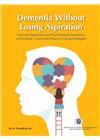
圖書名稱:Dementia without losing aspiration common behavioral and psychological symptoms of dementia
自2022年5月起搭配國衛院研究計畫於北、中、南各地進行多場『照護失智症合併精神行為問題症狀(PCBPSD)訓練課程』,我們接觸到許多因為失智症者行為問題症狀造成照顧困難的家庭照顧者,也從家屬與照顧服務人員的口中進一步認識失智症者在居家可能表現出各式各樣的行為問題。於是開始思考是否可從失智症者的個性、生活習慣、居住環境及問題發生的當下了解個案想要傳達什麼樣的訊息等角度,找出可能解決行為問題的方法與態度。兩年多來我們蒐集到許多行為問題症狀,透過家屬及專業講師課堂分享與經驗交流,目前彙整出二十五個常見的行為問題個案,以深入淺出的文字與生動有趣的插圖向讀者傳遞認識失智症合併精神行為問題與可能的因應方式。
作者簡介:
Dr. Chia-Ming Yen is Assistant Investigator at the National Center for Geriatrics and Welfare Research, National Health Research Institutes (NHRI), Taiwan, R.O.C.. Her areas of expertise include dementia care, non-pharmacological interventions, social aspects of aging, adult education, and qualitative research. Since 2022, Dr. Yen has led a research project at NHRI entitled Intervention Strategies and Effectiveness for Managing Behavioral and Psychological Symptoms of Dementia (BPSD). As part of this initiative, she has promoted the Program for Coping with Behavioral and Psychological Symptoms of Dementia (PCBPSD) aimed at enhancing the knowledge and skills of family caregivers, long-term care and healthcare professionals in dementia care.
In 2024, she published a practical handbook titled Dementia Without Losing Spirit: Common Behavioral and Psychological Symptoms and Coping Strategies, featuring 25 common BPSD case scenarios along with suggested intervention strategies. The handbook is designed for a broad audience, including persons with dementia and their families, long-term care and healthcare professionals, and members of the general public interested in dementia care. To support multicultural care communication, the handbook is also available in Indonesian and English versions.
Dr. Yen has published multiple research articles on dementia care in reputable domestic and international academic journals and has presented her work at internationally recognized conferences. She is committed to fostering interdisciplinary collaboration to advance both the practice and scholarship of dementia care.
目錄
Preface ....................................................................................................................... ii
Acknowledgements ....................................................................................................iii
Common Behavioral and Psychological Symptoms of Dementia (BPSD) Cases and Potential Coping Strategies .................................................................................1
Illustration Descriptions ........................................
Acknowledgements ....................................................................................................iii
Common Behavioral and Psychological Symptoms of Dementia (BPSD) Cases and Potential Coping Strategies .................................................................................1
Illustration Descriptions ........................................
顯示全部內容
|