前言:在最前沿的美麗與憂懼——人工智能對人性的測試(摘錄)
廖咸浩(臺大人文社會高等研究院院長)
人工智能的發展是人類的科技想像力最極致的表現之一。雖然也如各種科技的發明一樣,人工智能也會帶來許多預料中和更多未預見的衝擊,但這些衝擊絕非過往的科技可堪比擬,這是因為人工智能對「人性」及「人的地位」提出了嚴厲的拷問,特別是在生成式AI(generative AI)問世之後。
雖然過往的科技其實都曾一再的改寫或延展人性(human nature)的定義,但這個過程從未只限於正面的發展,即使如農業的發明,也是個兩面之刃:它既穩定了糧食的生產,形成了定居生活,但也開始造成對生態的衝擊,乃至疫病的流傳。現代科技更是以其強大的加乘效應,催生了衝擊難以預估的困境。
這種對衝擊之無法掌握的憂懼,在面對人工智能時更是顯現無疑。特別是人工智能擬人的部分,乃至最終可能取代人的這種史無前例的想像,更觸動了人類內在最深處的興奮與恐懼。人工智能可為善亦可為惡,但其效應都接近一種對人類的存在性(existential)的挑戰。我們面對的未來,是新局還是終局——是有如創世紀的清晨般美麗動人,還是《科學怪人》幽暗的啟示錄?人類是否已經張開雙臂,準備好迎接赫胥黎(Thomas Huxley, 1825–1895)所謂的「美麗(難測)新世界」(brave new world)?還是說,這類的判斷已經超出人類想像力的邊界?走在科技的最前沿,我們應該如何繼續想像「人性」?這不只是對人類想像力的重大測試,更是對人類文明有史以來最嚴厲的挑戰之一。
一切都必須回到「技藝」(techné)談起。
技藝是人類文明的開始,甚至於是人性的開始。人在萬物中本是最脆弱的,卻因為發明了各種技術(technics),而最終竟成為了地球的宰制者。不過,雖然許多科技或科技物已在人的生活中不可或缺,長久以來,人可能始終覺得科技只是輔助人類的工具,並非人類的核心部分。然而,在電腦出現之後,人才開始意識到,科技在人類生活中可能扮演了核心的角色,而非可有可無或只是被支使的配角。手機的出現,則進一步讓人與之相依為命難分難拾。及至AI問世,人類開始感受到來自科技的存在性威脅。
而此中的關鍵,不只是AI在工作上可能取代人類,更在於全面「中介」(mediate)人與世界,且以擬真(simulacrum)取代世界。「中介」造成人必須以AI處理任何人生的狀況,而擬真之憂更非始自今日。早在上世紀80年代,波德希亞(Jean Baudrillard, 1929–2007)便已提出了擬真可能造成的景況:大量沒有原件的備份(copy)充斥於世,最終造成「超真實」(hyperreal)比真實還顯得真實(more real than real),從而取代真實。近年問世的生成式AI可謂完全印證了他的預言性理論。
科技物如此的遍布且深入人生,讓許多警惕性的描述此起彼落,如「監控社會」(society of control)(德勒茲[Gilles Deleuze, 1952–1995]與瓜達希[Pierre-Félix Guattari, 1930–1992])或「自動社會」(automatic society)(史迪格勒[Bernard Stiegler, 1952–2020])。而啟示錄般對未來的預言,如「科技全景監控」(technopticon)或「科技世」(the technocene),更讓人感受到面對當代數位科技的快速發展時的社會集體焦慮。尤其是生成式AI更將波德希亞的「超真實」理論極端化至無法想像的地步;超真實的泛濫已不只是人透過AI蓄意為禍,AI本身也在以其「幻覺」(hallucination)自動生成大量的「超真實」。眼見如此讓人生畏的科技力量正快速重塑人類的處境,如何調整人與科技物的關係,已成為迫在眉睫的課題。
首先是我們應該如何正確(或以最有利方式)對待AI?當前人類對AI的焦慮主要來自於AI是否可能威脅到人類。原因在於AI的「認知能力」快速發展,尤其是生成式AI的認知能力更幾乎接近了智能中上程度的人類。但想像AI會具有人的能力,早在1950年「圖靈測試」(Turing Test)問世時已經出現,而科幻小說中對此的想像則始於更早的瑪莉.雪萊(Mary Shelley, 1797–1851)所著的《科學怪人》(Frankenstein; or, The Modern Prometheus, 1818)。雪萊劃時代的作品提出了多種影響後世甚巨的思考路徑,包括人是否應放任這種科學怪人式扮演上帝的欲望?萬一類似人類的複製物誕生之後是否可控?他們的權益所涉及的倫理問題如何處理?是否複製物最終將影響到人類本身的生存?
「圖靈測試」的設計意味著人類開始意識到電腦(人工智能的始祖)與人的界線可能沒有我們想像的那麼清楚。此測試可以說是對笛卡兒(René Descartes, 1596–1650)「我思故我在」的一個重大挑戰。其挑戰不是來自於「機內有靈」(the ghost in the machine),而是來自「機就是靈」(the machine is the ghost)。而後者又有兩種可能:機器因人類對其研發而變成了靈,以及機器如天下萬物一般本皆有靈。
這個科技「有靈」或「是靈」的可能性,讓科幻小說及電影對人工智能可能為惡傷人的啟示錄想像,不絕如縷。然而,即使科技沒有靈,它已足以讓人類自我傷害。海德格(Martin Heidegger, 1889–1976)論科技的短文〈關於科技的問題〉(“The Question Concerning Technology”),之所以被後世立場各異的論者一再引用,便意味著其中頗有耐人尋味之處。海德格指出,「技藝」(techné)這個字在希臘文原本的意義就是「揭露存有」(unconceal Being),但分化成「藝術」(art)與「科技」(technology)兩者後,「科技」不再能整體的「揭露存有」,而只能以「割裂認知」(Gestell)的方式,將自然以分割的方式對待,而致形成了現代科學與科技對「存有」的物化。從此,人徹底的與自然割裂,並且把後者變成了供人類揮霍及濫用的資源(standing reserve)。
史迪格勒的大作《技術與時間》(Technics and Time)特別針對科技與人類文明乃一體兩面、相輔相成,有很深刻的闡述。他自認比海德格更能持平的看待科技,但他也不忘在其著作中不斷提醒當代科技發展的各種弊端,特別是「經驗普羅化」(proletarianization)及「超級共時化」(hypersynchronization)。前者因大量網路資訊的疲勞轟炸,造成只能被動接受資訊而無法思考,後者因網路使人坐困資訊愁城而失去時間感,成為無過去亦無未來的無歷史之人。
換言之,整部科技史的發展,既目擊了科技屢屢重塑人性,也不斷的主動將人的欲望投射入科技的發展,彼此相生互造。但不可諱言的是,從原始的泛靈論到科學怪人化的過程,便是一部人類不斷將自己移向世界中心的歷史。其中所展現的是,人的欲望愈來愈袒露、愈來愈無法加以約束及規範。而且這又是一個弔詭的演化:人類同時藉由科技自我滿足與自我毀滅,只不過自我毀滅的陰暗面卻往往被有意無意的忽視。如從世界各地湖泊(近代如鹹海)消失之例,即可看出人類如何以生存之名透過科技自我毀滅的走向。而當前二氧化碳造成的暖化,則更預示了當代科技導致人類滅絕的終極可能。至於人工智能則是一種方興未艾但更具爭議的科技:一方面,它貌似有著大幅改善人類生活的巨大潛能,但另一方面則如先前提到的,形成了取代人類的存在性威脅。
然而,科技是否在本體上必然有其具傷害性的一面?最終而言,如上一段已指出,科技對人類的危害是人性的問題。其實即使海德格也並非真正的「反科技」,而是憂心科技對「存有」的遮蔽。因之,海德格認為科技雖造成諸多弊端,救其弊端之法卻不在於排斥科技,而在於恰當的發展與使用科技;科技本身就蘊含著其「救贖」(saving power)。史迪格勒所提示的科技的「犯康學」(pharmacology)精義便在於此:以毒藥本身為其解藥(antidote)。科技雖然看來是禍害的源頭,但也唯科技能治此禍害。但正如海德格的「救贖理論」,史迪格勒的「犯康學」所指,並不只是發明更好的科技來治現有科技之害,更重要的是抓住科技的本質,讓科技能往善的方向發展。
一定程度而言,從海德格及史迪格勒的角度觀之,科技實仍保有「揭露存有」的能力,端視我們如何看待科技,包括研發科技及使用科技,換句話說,就是要以什麼方式將人性反映在科技中。前文已提到,海德格認為現代科技最大的問題,就是其過度的「割裂認知」傾向遮蔽了存有,較平易的說法就是將「世界除魅化∕去靈化」(the disenchantment of the world),因為正是世界的「去靈化」導致了自然被當成純粹資源。因此,如何讓科技協助自然「再靈化」(re-enchantment)便是當務之急。針對此,海德格認為解方就是讓科技再變成藝術,以俾恢復其「揭露存有」的能力。
如此,科技能否再藝術化,以及若能應如何為之,便是關鍵。西蒙棟(Gilbert Simondon, 1924–1989)在其里程碑的著作《論科技物的存在模式》(On the Mode of Existence of Technical Objects)一書中,對此有重大的突破性思考。他認為科技物不應再被視為僅是「工具」(utensil)而已,而應該直取其「本質」(essence)。所謂本質,在此指的是科技物會「生演」(genesis),也就是說,物(廣義的科技物)形成後並非就進入了不變的僵固狀態,而是一直處於一種隨時會演化(become)的「亞穩態穩定」(metastable stability)。
欲了解其「生演」本質,西蒙棟首先以「完形理論」(gestalt theory)之「前圖」(figure)與「後地」(ground)來說明物的誕生與科技本質的關係:最初人與世界處在一種原始的神奇統一狀態(magical totality),但經由「最初的形構(initial structuration)後,分化成主體及世界。從此人便經由兩個中介物或兩種思考—科技與宗教—來面對世界。但「最初的形構」仍留下了各種各樣的「關鍵點」(key points)與「基底」維持著能量關係的延續,而科技與宗教便各自以其特有的方式來連結「關鍵點」,並形成網絡(reticulation)以詮釋世界。
西蒙棟的重大突破在於,指出科技物因其「生演」本質而具有一個重要的特質:「具體化」(concretization)。「具體化」意指科技物在誕生之後會從抽象而具體,也就是從內部之部件互不相屬的情況下,逐漸演化成內部有機相屬、渾然一體的整體。西蒙棟此舉翻轉了自亞里斯多德以來的「心靈賦形論」(hylomorphism)對形式與物質二者關係的認知,將此演化動力視為來自物質本身,而非人的心靈。原因則在於物有一個內在衝突(incompatibility),是這個衝突讓物與「基底」維持著聯繫,這也意味著「具體化」的過程並無真正終點。
這就是為什麼西蒙棟認為科技物的本質是「生演」,因為它們本質上是藝術品。藝術作品之所以在人造物中脫穎而出,是因為它能將科技思考及宗教思考所形成的兩個網絡世界重予連結,讓人得以重新發現「神奇整體性」。然而西蒙棟也指出藝術作品能有這種能力,並非作品本身做為物件的特異性,而在於它能提供「美學情感」(aesthetic feeling)。從這個角度觀之,他認為物從一開始便是藝術品,因為物,特別是科技物,所做的就是建立各種「關鍵點」,讓自身與「基底」能重新連結,俾能自彼取得新的「生力」(force)。一如藝術品,科技物或「科技經驗」(technological experience)能「對物質(matter)與形式(form)之間的原初直覺,[即]那種在一切分裂前的合一,給予新的生命」,只要科技物能臻至化境(perfection)。同樣的,宗教也可以如科技一般,具有重獲「神奇整體性」的能力,只要宗教物品能臻至化境。更激進的說,「任何作為,任何物件,任何時刻本身都有能力可以變成一個新網絡的突出點」。總之,對西蒙棟而言,萬物皆可為藝術,端看我們如何將科技物化為藝術。
| FindBook |
|
有 1 項符合
傅立成的圖書 |
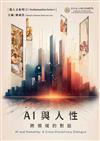 |
$ 351 ~ 427 | AI與人性:跨領域的對話
作者:Yuk Hui、梁益堉、劉為開、葉素玲、Wendy Hui Kyong Chun、廖咸浩、傅立成、吳靜、林文源、林勤富、Wendy K. Tam、Patrick Hebron、Joff P. N. Bradley 出版社:國立臺灣大學出版中心 出版日期:2025-09-09 語言:繁體書  共 6 筆 → 查價格、看圖書介紹 共 6 筆 → 查價格、看圖書介紹
|
|
|
圖書介紹 - 資料來源:TAAZE 讀冊生活 評分:
圖書名稱:AI與人性:跨領域的對話
本書從人性的概念出發,博採不同領域的視角,探討AI的發展。其議題涵蓋全面:從AI如何影響到人對自身定位的本體思考,到社會各個面向受到的衝擊,到AI是否自己會有類似人性的條件,皆有觸及。在AI相關的人文社會研究成果中,可謂首見。
作者簡介:
Yuk Hui
Yuk HUI is currently a Professor of Philosophy and Chair of Human Conditions at the Erasmus University Rotterdam. Hui wrote his doctoral thesis under the French philosopher Bernard Stiegler at Goldsmiths College London and obtained his Habilitation from the Leuphana University Lüneburg. He is the author of several monographs that have been translated into a dozen languages, including On the Existence of Digital Objects (2016), The Question Concerning Technology in China—An Essay in Cosmotechnics (2016), Recursivity and Contingency (2019), Art and Cosmotechnics (2021) and Machine and Sovereignty—For a Planetary Thinking (2024). Hui has been a juror of the Berggruen Prize for Philosophy and Culture since 2020 and convenor of the Research Network for Philosophy and Technology since 2014.
梁益堉
美國印第安納大學哲學博士,現任國立臺灣大學哲學系教授、腦與心智科學研究所合聘教授。研究專長為:心智哲學、身體經驗與自我意識的跨領域研究。曾任史丹福大學CASBS訪問學者、哈佛大學燕京學社訪問學人,以及臺大哲學系系主任。近年成立「哲學與虛擬身體實驗室」,以跨領域的方式,結合分析哲學、認知神經科學與虛擬實境技術,來探討身體經驗與自我意識的特性。研究成果發表在一流國際期刊以及頂尖的國際學術論文集。
劉為開
國立臺灣科技大學工程技術研究所博士。曾服務於玄奘大學、明志科技大學、中國科技大學等校,歷任學務長與系主任等重要行政職務,現任國立臺灣科技大學賦能研究中心研究員。學術專長為虛擬實境、擴增實境、人機互動介面及人工智慧在數位藝術與教育之整合與應用。著有SCI與SSCI Q1等級國際期刊十餘篇,擁有多項美國與臺灣專利,並著有3D互動與多媒體教科書數本,是國內少數實務與學術兼具者的學者。
葉素玲
國立臺灣大學人文講座教授、傅斯年紀念講座教授、心理系終身特聘教授、腦與心智科學研究所合聘教授。現任理學院副院長,曾任心理系系主任、神經生物與認知科學中心副主任、人工智慧與機器人研究中心副主任。2019–2020史丹佛大學行為科學高等研究中心會士、2023-2024美國人文研究中心會士。曾獲教育部學術獎、國科會傑出研究獎、臺灣大學教學傑出獎。研究領域包括視知覺、注意力、意識、認知神經科學、AI與心理學、心理學的應用等。
Wendy Hui Kyong Chun
Wendy Hui Kyong Chun is Simon Fraser University’s Canada 150 Research Chair in New Media in the School of Communication and Director of the Digital Democracies Institute. She has studied both Systems Design Engineering and English Literature, which she combines and mutates in her research on digital media. She is the author of many books, including: Control and Freedom: Power and Paranoia in the Age of Fiber Optics (MIT, 2006), Programmed Visions: Software and Memory (MIT, 2011), Updating to Remain the Same: Habitual New Media (MIT, 2016), and Discriminating Data: Correlation, Neighborhoods, and the New Politics of Recognition (2021, MIT Press). She has been Professor and Chair of the Department of Modern Culture and Media at Brown University, where she worked for almost two decades and is currently a Visiting Professor. She is a Fellow of the Royal Society of Canada, and has also held fellowships from: the Guggenheim, ACLS, American Academy of Berlin, Radcliffe Institute for Advanced Study at Harvard.
廖咸浩
國立臺灣大學人文社會高等研究院院長、外國語文學系特聘教授。史丹福大學文學博士,哈佛大學博士後研究。曾任中華民國比較文學學會理事長、臺北市文化局局長等。2018年獲科技部「傑出研究獎」。著有《愛與解構》、《美麗新世紀》、《紅樓夢的補天之恨》等書。目前正撰寫《台灣電影中主體的僵局與超越》、Deleuze and Taoism等書。
傅立成
國立臺灣大學電機系畢業,於1987年獲美國加州大學柏克萊分校電機電腦博士學位,返國後於臺大資訊系、電機系任教,現為臺大講座教授。曾擔任臺大主任秘書與「AI及機器人研究中心」主任,研究領域涵蓋社交機器人、智慧醫療、AR∕VR、系統控制等領域。歷任多項國際會議主席、學術期刊主編及學會要職,為IEEE與IFAC Fellow。榮獲多項國內外獎項,包括教育部國家講座、十大傑出青年、IEEE控制系統學會傑出會員獎與終身成就獎等,學術成就卓著,備受推崇。
吳靜
香港大學哲學博士,南京師範大學哲學系教授、博士生導師,南京師範大學「數字與人文」研究中心主任。全國辯證唯物主義學會社會認識論專業委員會常務理事、江蘇省哲學學會常務理事、江蘇省九三學社思想建設理論研究會研究員、中國索引學會數位人文專委會理事。研究方向為:當代激進理論與性別研究、數位與人文、馬克思主義哲學、國外馬克思主義。曾在《人民日報》、《哲學研究》、《馬克思主義與現實》、《教學與研究》等權威雜誌報刊發表論文,多篇被人大複印資料轉載;出版專著4本(含英文專著1本),譯著4本(含合譯)。
林文源
國立清華大學通識教育中心教授,兼人文社會AI應用及發展研究中心主任。曾獲科技部吳大猷先生紀念獎、中央研究院年輕學者研究著作獎。著有《描繪照護地景》、《看不見的行動能力》,並編輯「科技∕社會∕人」、「AI、科技與社會」、「寫給青春世代的STS讀本」等叢書。近年推動學術之公共性,包括疫情紀錄之「記疫」專書、網站與紀錄片、公共化AI系列工作,也擔任「AI、科技與社會」叢書主編。
林勤富
國立臺灣大學法律及化學工程雙學位,後於哈佛大學取得法學碩士及法學博士,研究領域涵蓋國際法與全球治理、新興科技法律與政策等。多年發表跨領域國際法與科技法學術論文,榮獲國內外諸多學術研究獎項的肯定,包含吳大猷先生紀念獎及國科會傑出研究獎。林教授另獲選為美國國際法學會「國際法與科技研究小組」副主席、共同主席,亦受澳洲墨爾本大學法學院聘任為資深研究員,客座開授「人工智慧法律與政策」課程。
Wendy K. Tam
Wendy K. Tam is Professor and Stevenson Chair of Political Science, Computer Science, Law, and Biomedical Informatics at Vanderbilt University, an affiliate at the National Center for Supercomputing Applications and Professor Emerita at the University of Illinois at Urbana-Champaign, and Professional Researcher in the School of Medicine at the University of California at San Francisco. She has been a Fellow of the John Simon Guggenheim Memorial Foundation, the Society for Political Methodology, the Center for Advanced Study in the Behavioral Sciences (Stanford), and a Visiting Fellow at the Hoover Institution (Stanford).
Patrick Hebron
Patrick Hebron is a designer, software developer, teacher, and author. His work explores the intersection of artificial intelligence, design tools, programming languages, and operating systems. In particular, he has focused on the development of AI-driven digital design tools. He founded the Machine Intelligence Design groups at Nvidia and Adobe and was Vice President of R&D at Stability AI. He is the author of Machine Learning for Designers, published by O’Reilly Media, as well as numerous articles, including “Rethinking Design Tools in the Age of Machine Learning” and “A Unified Tool for the Education of Humans and Machines.” He has also worked as an adjunct graduate professor and scientist in residence at New York University.
Joff P. N. Bradley
Joff P. N. Bradley is full professor of English and Philosophy in the Faculty and Graduate School of Foreign Languages, Teikyo University, Tokyo. He has held visiting positions at Jamia Millia Islamia University (India), Kyung Hee University (South Korea), Durham University (UK), Universidad Nacional de San Martín (Argentina), and currently at the Czech Academy of Sciences. He is Vice President of the International Association of Japan Studies and serves on advisory boards for Deleuze and Guattari Studies in Asia and in India. Bradley has co-authored and edited 17 books on Deleuze, cinema, utopia, Buddhism, Japanese education, and Bernard Stiegler.
作者序
前言:在最前沿的美麗與憂懼——人工智能對人性的測試(摘錄)
廖咸浩(臺大人文社會高等研究院院長)
人工智能的發展是人類的科技想像力最極致的表現之一。雖然也如各種科技的發明一樣,人工智能也會帶來許多預料中和更多未預見的衝擊,但這些衝擊絕非過往的科技可堪比擬,這是因為人工智能對「人性」及「人的地位」提出了嚴厲的拷問,特別是在生成式AI(generative AI)問世之後。
雖然過往的科技其實都曾一再的改寫或延展人性(human nature)的定義,但這個過程從未只限於正面的發展,即使如農業的發明,也是個兩面之刃:它既...
廖咸浩(臺大人文社會高等研究院院長)
人工智能的發展是人類的科技想像力最極致的表現之一。雖然也如各種科技的發明一樣,人工智能也會帶來許多預料中和更多未預見的衝擊,但這些衝擊絕非過往的科技可堪比擬,這是因為人工智能對「人性」及「人的地位」提出了嚴厲的拷問,特別是在生成式AI(generative AI)問世之後。
雖然過往的科技其實都曾一再的改寫或延展人性(human nature)的定義,但這個過程從未只限於正面的發展,即使如農業的發明,也是個兩面之刃:它既...
顯示全部內容
目錄
叢書總序
編輯說明
前言:在最前沿的美麗與憂懼——人工智能對人性的測試╱廖咸浩
Introduction: At the Frontier of Beauty and Dread: The Test of Humanity by Artificial Intelligence╱Sebastian Hsien-hao Liao
Part I 本體思考
Philosophy after Automation╱Yuk Hui
人工智能可不可能有自我意識╱梁益堉、劉為開
AI時代人類的獨特性:認知心理學觀點╱葉素玲
Order from Order, or Life According to Software╱Wendy Hui Kyong Chun
AI與邪惡:從人的欲望到物的欲望╱廖咸浩
人工智能與善良的人性╱傅立成
Par...
編輯說明
前言:在最前沿的美麗與憂懼——人工智能對人性的測試╱廖咸浩
Introduction: At the Frontier of Beauty and Dread: The Test of Humanity by Artificial Intelligence╱Sebastian Hsien-hao Liao
Part I 本體思考
Philosophy after Automation╱Yuk Hui
人工智能可不可能有自我意識╱梁益堉、劉為開
AI時代人類的獨特性:認知心理學觀點╱葉素玲
Order from Order, or Life According to Software╱Wendy Hui Kyong Chun
AI與邪惡:從人的欲望到物的欲望╱廖咸浩
人工智能與善良的人性╱傅立成
Par...
顯示全部內容
|